
What Transplant Volume Buys a Patient
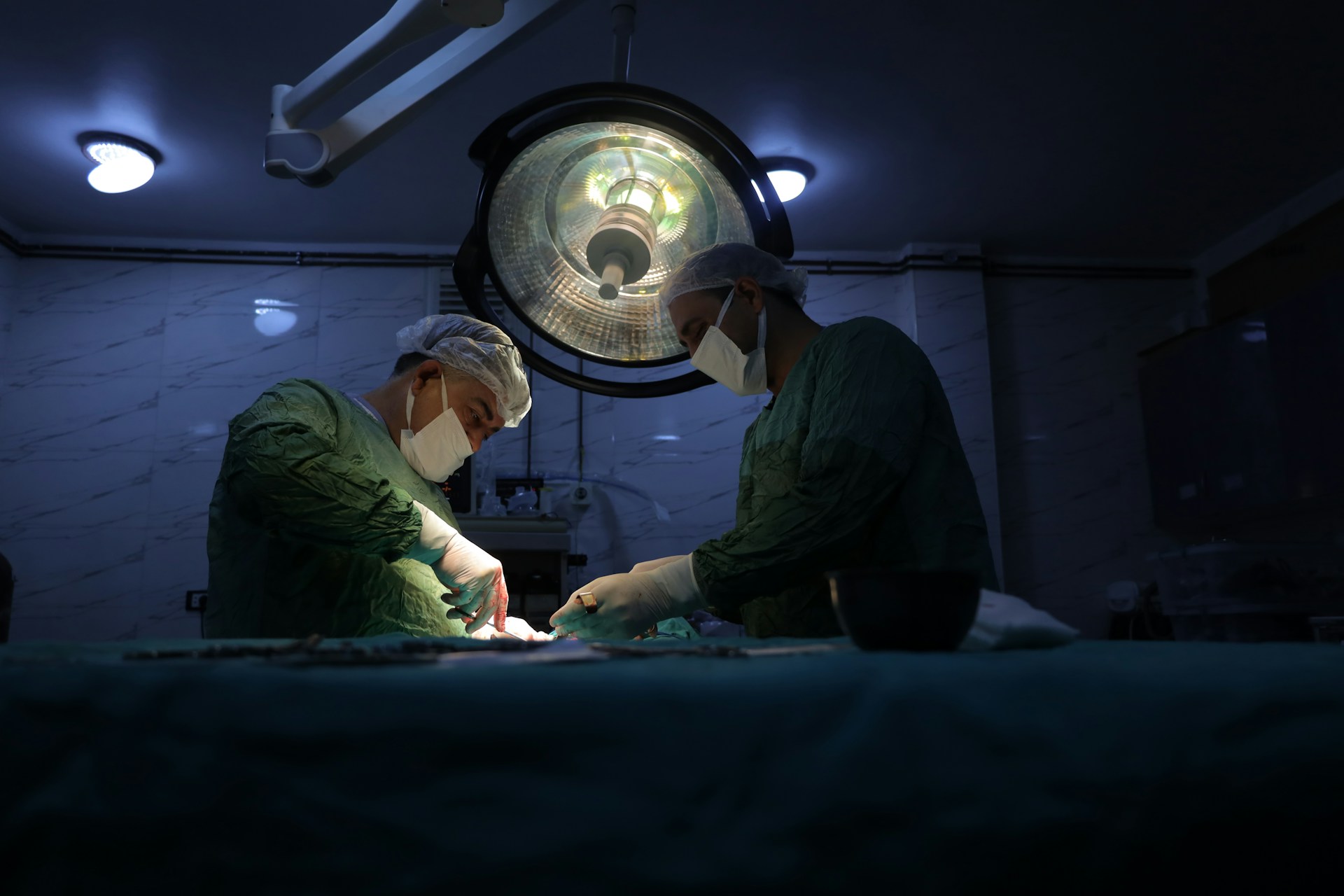
Transplant volume is one of the few metrics in clinical medicine that is genuinely difficult to argue with, yet its real value is frequently misunderstood. In 2025, Vanderbilt performed 960 solid organ transplants—the most ever completed by a single center in the United States, and 85 more patients than the year before. For a referring physician deciding where to send someone with end-stage organ failure, the useful question is not whether the national record is impressive on paper. It is what that volume actually changes for an individual patient whose case involves prior surgery, sensitization, or multi-organ failure.
How Institutional Repetition Turns Rare Complexity into Protocol
The first thing volume buys is repetition in the difficult cases. A program performing 193 adult heart transplants a year encounters re-transplantation, mechanical circulatory support bridging, and highly sensitized recipients often enough to rely on settled protocols rather than improvised ones. Vanderbilt’s heart team set a world record for the second consecutive year at 210 combined adult and pediatric heart transplants, while the lung program performed 149 adult transplants, ranking second nationally. At this operational cadence, complex physiological and surgical scenarios become familiar clinical patterns across the entire care team.
Volume is not a vanity metric; it is the mechanism by which a transplant center turns rare surgical and immunologic exceptions into standardized, repeatable clinical pathways.
Where Repetition Changes the Clinical Trajectory
For a referred patient, high case frequency sharpens coordination across four sequential phases of care:
- Candidacy evaluation: Multidisciplinary selection committees reviewing hundreds of complex referrals annually apply nuanced risk stratification rather than defaulting to conservative exclusion criteria.
- Physiological bridging: Intensive care teams accustomed to temporary and durable mechanical support maintain stability while awaiting an appropriate donor match.
- Intraoperative execution: Surgical, anesthesia, and perfusion teams share procedural memory when navigating repeat sternotomies or complex anatomical reconstructions.
- Early stabilization: Critical care clinicians recognize subtle graft or hemodynamic shifts early, intervening before minor deviations escalate.
Dual-Organ Capability and the Previously Declined Patient
The second thing volume buys is dual-organ capability. Patients in multi-organ failure are frequently declined by centers that cannot run two specialized surgical teams in one operation. When a patient is turned down elsewhere, referring clinicians must distinguish between an irreversible contraindication and an operational limitation of the evaluating center. As Tennessee’s only full-service transplant center, Vanderbilt maintains active infrastructure for five combined pathways:
- Heart-kidney transplantation for advanced cardiac failure accompanied by irreversible renal dysfunction.
- Heart-liver transplantation requiring synchronized cardiothoracic and hepatobiliary management.
- Heart-lung transplantation for end-stage cardiopulmonary disease.
- Kidney-pancreas transplantation addressing diabetic nephropathy alongside endocrine failure.
- Liver-kidney transplantation for combined hepatic decompensation and renal insufficiency.
If you are holding a patient who has been turned down elsewhere on grounds of complexity rather than candidacy, that operational distinction is the clearest clinical reason to make a second referral.
Expanding the Donor Pool Through Perfusion and Protocol Innovation
The third advantage is willingness to use organs other centers decline. A transplant referral only helps a patient who survives the waiting period to receive a viable graft. Vanderbilt is a leading user of organs from donors with hepatitis C, treating the infection post-transplant with established antiviral regimens. For a waitlisted patient whose clinical window is narrowing, the practical consequence is a materially shorter wait.
The center is also the only one in Tennessee studying ex-vivo perfusion to preserve donor livers, hearts, and lungs in transit. Maintaining metabolic support outside the body widens the geographic radius from which a viable organ can be recovered and allows clinicians to assess graft viability before implantation.
| Clinical Dimension | Conventional Low-Volume Constraint | High-Volume Protocol Capability |
|---|---|---|
| Multi-organ failure | Frequently declined when two teams cannot run in one operation | Active heart-kidney, heart-liver, heart-lung, kidney-pancreas, and liver-kidney programs |
| Hepatitis C donors | Often bypassed, extending wait times on the standard list | Routine utilization paired with post-transplant antiviral treatment |
| Organ recovery radius | Constrained by static cold storage transport limits | Widened in Tennessee via ex-vivo perfusion for livers, hearts, and lungs |
| Immunosuppression dosing | Adjusted empirically after adverse drug reactions emerge | Pre-transplant genetic testing via PREDICT to anticipate severe side effects |
Precision Immunosuppression and the First Post-Operative Year
There is a fourth element that does not show up in volume tables at all, yet relies on the clinical depth of a high-volume academic program. The PREDICT program uses pre-transplant genetic testing to identify which recipients are likely to develop serious side effects from standard anti-rejection medication. Instead of discovering severe drug toxicities through trial and error during the vulnerable early weeks after surgery, transplant physicians and pharmacists can tailor therapy proactively. That is a meaningful difference in the first post-operative year, when immunosuppression management determines both graft survival and patient recovery.
Continuity Across the Regional Referral Network
Vanderbilt has transplanted roughly 14,000 organs since its first kidney transplant in 1962, and it is one of a small number of programs designated by the Department of Veterans Affairs to serve veterans. Operating as Tennessee’s only full-service transplant center, its adult programs in Nashville are connected to regional heart transplant clinics in Knoxville, Chattanooga, Madison, and Newburgh, keeping pre-transplant evaluation and longitudinal follow-up accessible across the region. Referrals can be submitted online or by phone, and the program sets out each organ pathway and what clinical documentation to include. Ultimately, for physicians managing complex organ failure, annual volume is not merely a historical milestone—it is practical evidence that the protocols, donor strategies, and multidisciplinary teams required for hard-to-place patients are already in place.